jan 30 – Feb 15, 2026
From Concord Theatricals:
Summary
A smash comedy hit in London and New York, this much-revived classic from the playwright of Private Lives concerns fussy, cantankerous novelist Charles Condomine, who has remarried but finds himself haunted (literally) by the ghost of his late first wife, Elvira. Clever, insistent and well aware of Charles' shortcomings, Elvira is called up by a visiting “happy medium,” the eccentric and flighty Madame Arcati. As everyone's personalities clash, Charles’ current wife, Ruth, is accidentally killed. She “passes over” and joins Elvira, allowing the two “blithe spirits” to haunt the hapless Charles into perpetuity.
History
Blithe Spirit premiered on Broadway at the Morosco Theatre on November 5, 1941. Directed and produced by John C. Wilson, the production featured Clifton Webb, Leonora Corbett, Mildred Natwick and Peggy Wood. The play returned to Broadway in 1987, featuring Richard Chamberlain, Blythe Danner, Judith Ivey and Geraldine Page. A 2009 Broadway revival, directed by Michael Blakemore, featured Rupert Everett, Christine Ebersole, Jayne Atkinson and Angela Lansbury. Lansbury, who was 83 years old at the time, won the 2009 Tony Award for Best Featured Actress in a Play.
TICKETS $28+fees ($30.20)
ESTIMATED RUNTIME: 3 HOURS INCLUDING TWO 10-minute INTERMISSIONS
CAST & CREW
CAST
EDITH: CORA BEEMAN
RUTH: EMILY SMITH
CHARLES: TRAVIS BILENSKI
MR. BRADMAN: MIKE BRIGGS
MRS. BRADMAN: ELIZABETH SHEIMAN
MADAME ARCATI: ALIX SANCHEZ
ELVIRA: OLIVIA HUGHS
SWING/CREW: MEREDITH FREELAND
SWING: MICHAEL REID
SWING: ALICE TANZILLO
PRODUCTION CREW
DIRECTOR: DYLAN SLADKY
ASSISTANT DIRECTOR: ALICE TANZILLO
STAGE MANAGER: ERIN KNITTLE
STAGE CREW: JULIETTE SOSA VALLE
STAGE CREW: KeyS Challender
SET DESIGNER: MORGAN BAILEY
SET DRESSER: PHOENIX BALDINO-CLARKE
LEAD BUILDER: CHAD JOHNS
CARPENTERS: JEFF REINHARDT, MARK WOOD
LIGHTING DESIGNER: WAYNE SIMONS
SOUND DESIGNER: MICHAEL REID
COSTUME DESIGNER: BEA AMSLER
COSTUME ASSISTANTS: LAURIE ROBERTSON, ROBIN ANDERSON, CLAIRE SMITH, KARROL BAKER
PROPERTIES DESIGNER: KAREN TURNER
3D Printing & DESIGN, SOUND OPERATOR: Sean Kane
BOARD OPERATOR: JEN WICKS
PHOTOGRAPHY: BOB SPINK
DIALECT COACH: JERI SWATOSH
HAIR & MAKEUP DESIGNER: HEIDI MCECHRON
HAIR & MAKEUP ASSISTANT: KAI KANE, KAILEY RONDO
PLAYWRIGHT
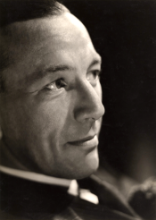
Noël Peirce Coward was born in 1899 and made his professional stage debut as Prince Mussel in The Goldfish at the age of 12, leading to many child actor appearances over the next few years. His breakthrough in playwriting was the controversial The Vortex (1924), which featured themes of drugs and adultery and made his name as both actor and playwright in the West End and on Broadway.
During the frenzied 1920s and the more sedate 1930s, Coward wrote a string of successful plays, musicals and intimate revues including Fallen Angels (1925), Hay Fever (1925), Easy Virtue (1926), This Year of Grace (1928), and Bitter Sweet (1929). His professional partnership with childhood friend Gertrude Lawrence started with Private Lives (1931), and continued with Tonight at 8.30 (1936).
During World War II, he remained a successful playwright, screenwriter and director, as well as entertaining the troops and even acting as an unofficial spy for the Foreign Office. His plays during these years included Blithe Spirit, which ran for 1997 performances, outlasting the War (a West End record until The Mousetrap overtook it), This Happy Breed and Present Laughter (both 1943). His two wartime screenplays, In Which We Serve, which he co-directed with the young David Lean, and Brief Encounter, quickly became classics of British cinema. However, the post-war years were more difficult. Austerity Britain – the London critics determined – was out of tune with the brittle Coward wit. In response, Coward re-invented himself as a cabaret and TV star, particularly in America, and in 1955 he played a sell-out season in Las Vegas featuring many of his most famous songs, including "Mad About the Boy," "I’ll See You Again" and "Mad Dogs and Englishmen."
In the mid-1950s he settled in Jamaica and Switzerland, and enjoyed a renaissance in the early 1960s, becoming the first living playwright to be performed by the National Theatre when he directed Hay Fever there. Late in his career he was lauded for his roles in a number of films, including Our Man In Havana (1959) and his role as the iconic Mr. Bridger alongside Michael Caine in The Italian Job (1968). Writer, actor, director, film producer, painter, songwriter, cabaret artist as well as an author of a novel, verse, essays and autobiographies, he was called by close friends "The Master."
His final West End appearance was Song at Twilight in 1966, which he wrote and starred in. He was knighted in 1970 and died peacefully in 1973 in his beloved Jamaica.